

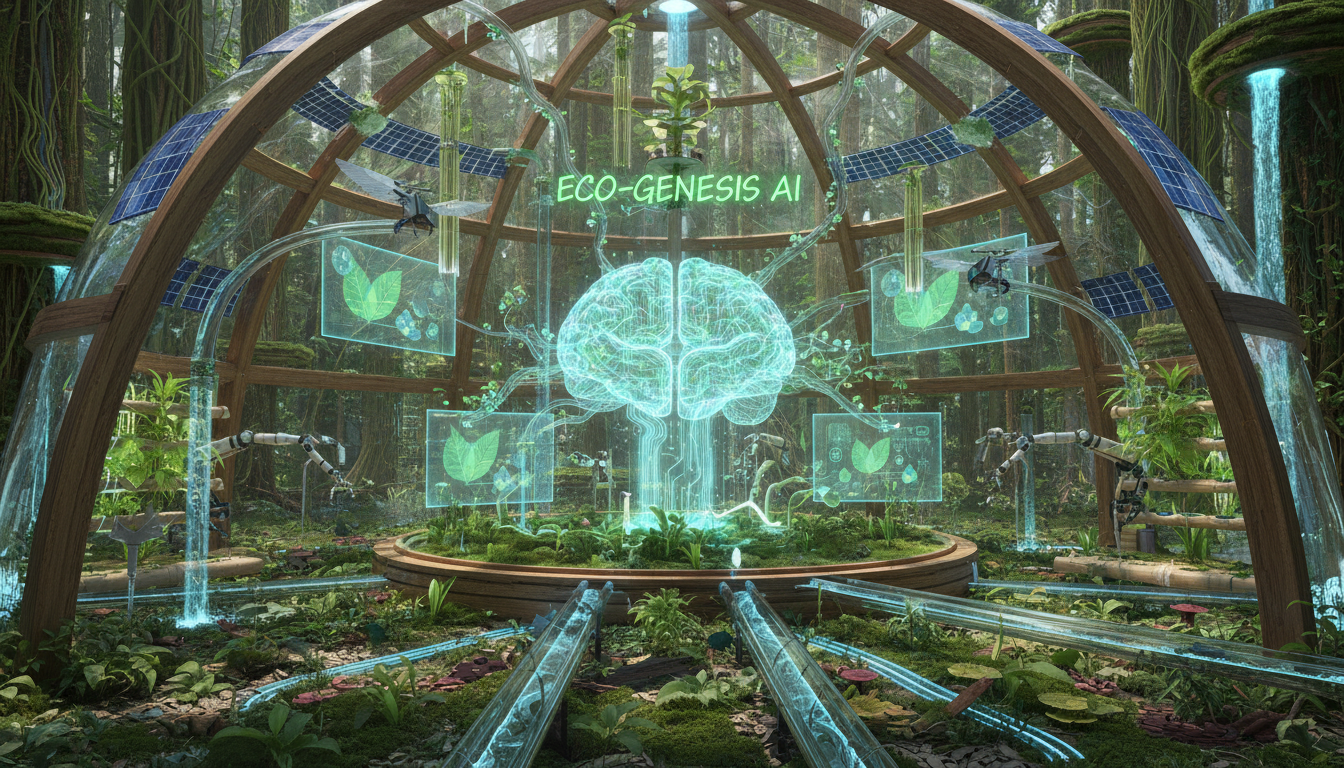
As artificial intelligence (AI) continues to revolutionize industries and societies worldwide, the focus on sustainable AI development has become paramount in 2026. Sustainable AI refers to the design, development, and deployment of AI technologies that prioritize environmental responsibility, social equity, and economic viability. This emerging paradigm aims to harness AI’s transformative power while minimizing its ecological footprint and maximizing its positive societal impact.
The Urgency of Sustainable AI
AI’s rapid growth has brought unprecedented computational demands, leading to significant energy consumption and carbon emissions, especially from data centers and training large AI models. Experts at the AI Impact Summit 2026 emphasized the critical need for frugal AI models that require less energy and the adoption of zero-carbon data centers powered by renewable energy sources. Without such measures, AI’s environmental costs could undermine global sustainability goals.
Key Themes and Innovations
The 2026 International Conference on Sustainable AI for Social Impact highlighted several key themes:
- AI-Driven Environmental Solutions: AI is being leveraged to monitor ecosystems, optimize resource use, and predict climate change impacts, enabling proactive environmental management.
- Healthcare Innovation: Sustainable AI models are improving diagnostics and personalized medicine while reducing the energy footprint of healthcare technologies.
- Inclusive Development: AI is fostering equitable access to education, agriculture, and economic opportunities, particularly in underserved communities.
- Energy Efficiency: Advances in AI algorithms and hardware are driving more energy-efficient computing, reducing the carbon footprint of AI applications.
Societal and Economic Impact
Sustainable AI is not only about reducing environmental harm but also about promoting social good. Responsible AI deployment can accelerate progress in health, education, agriculture, and climate resilience, contributing to the United Nations Sustainable Development Goals (SDGs). By aligning AI innovation with ethical standards and inclusivity, societies can ensure that AI benefits are broadly shared.
Challenges and the Road Ahead
Despite promising advances, challenges remain. Developing AI systems that are both powerful and energy-efficient requires ongoing research and collaboration across sectors. Policymakers, industry leaders, and researchers must work together to establish standards, incentives, and regulations that support sustainable AI practices.